Yanmar is a Japanese company that enjoys global recognition as a leading brand specialising in the manufacture of machinery and engines for the agr
CONSTRUCTION EQUIPMENT, PARTS & SERVICE, SALES
TEL: 01743 718777 FAX: 01743 718867
Yanmar is a Japanese company that enjoys global recognition as a leading brand specialising in the manufacture of machinery and engines for the agr
Dumper trucks and carriers on the construction site are often subject to extreme wear and tear whilst working under harsh conditions. Given the nature of their arduous tasks, this type of equipment requires regular maintenance to ensure that it remains in tip-top condition. This should include all parts of the dumper or carrier with any issues being immediately addressed and repaired; this is essential not only for the engine and the components but also for the safety of the driver.
Dirt, dust and grime all build up rapidly after a heavy day’s work – this, coupled with the fact that cleaning such large pieces of equipment takes copious amounts of time and effort, often leads owners to delay cleaning and maintenance for longer periods of time. However, the lack of cleaning can significantly reduce functionality, increase the effects of wear and tear, and ultimately result in project downtime.
Cleaning the exterior of a dumper can be challenging, the use of a simple wet sponge presents a mammoth-sized task - this sort of work, however, can be significantly easier with the use of a pressure wash. The appropriate pressure washer offers a highly effective way of cleaning the exterior of this type of vehicle, as it can remove even the most stubborn types of dirt such as concrete, gravel, grease, and scale. Industry-specific pressure washers typically come with a range of accessories to allow access to the nooks and crannies.
A professional pressure washer is a good investment for any construction site, it can be used for a number of other functions, whilst helping to save valuable time, energy and water consumption.
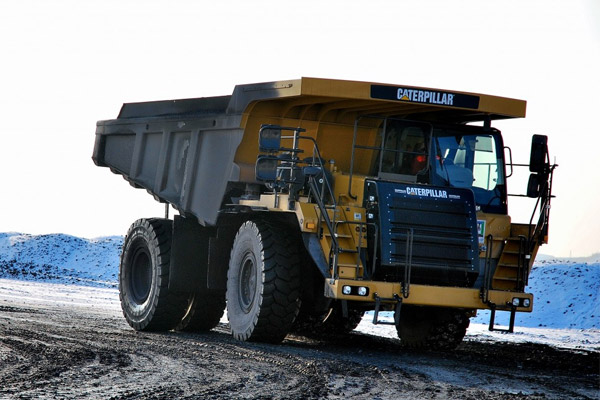
Visually and mechanically inspecting the vehicle and its components is essential, this helps to identify any worn parts and schedule a replacement before an unexpected breakdown occurs.
The following items should be checked on a regular basis:
Loading a dumper beyond its manufacturer’s specified recommendations will put a significant strain on the vehicle and its components – it can also make it difficult for the driver to manoeuvre, making safety an issue.
As with any type of vehicle, the style of handling can impact affect the performance – training operators on how to use equipment is a worthwhile investment. A knowledgeable operator can cause less wear to machinery than an untrained worker and is also more likely to be safer and to look after the equipment. Ensuring that the operator is aware of maintenance tasks and how to perform them is an important part of training and will help keep your equipment up and running. A well-trained operator will recognise the warning signs of equipment failure and flag any issues helping to avoid further damage.
Always adhere to the manufacturer’s recommended maintenance schedule as a minimum standard, this should be adapted to suit operating conditions – harsher conditions, for example, extreme weather, mud, dust, and greater load size, will require more frequent maintenance.
AT Wilde & Son offer a wide range of dumper parts, equipment, and engines by all leading manufacturers to the construction and plant industries, as well as a field service engineer and an extensive workshop. For more information on our services, get in touch today.