Yanmar is a Japanese company that enjoys global recognition as a leading brand specialising in the manufacture of machinery and engines for the agr
CONSTRUCTION EQUIPMENT, PARTS & SERVICE, SALES
TEL: 01743 718777 FAX: 01743 718867
Yanmar is a Japanese company that enjoys global recognition as a leading brand specialising in the manufacture of machinery and engines for the agr
Most types of vehicles and construction equipment come with recommended manufacturing oil change intervals which will invariably have been determined through extensive testing. Predetermined intervals can only be relied on as an approximate guide, as they are unable to take into consideration specific operating conditions. Many contractors are now attempting to optimise oil drainage intervals, to prevent oil from being drained either prematurely, or too late.
Regular engine care, keeping the engine and its components in good working order can help to lower the number of yearly oil changes. Modern day equipment can last tens of thousands of miles before an oil change is necessary.
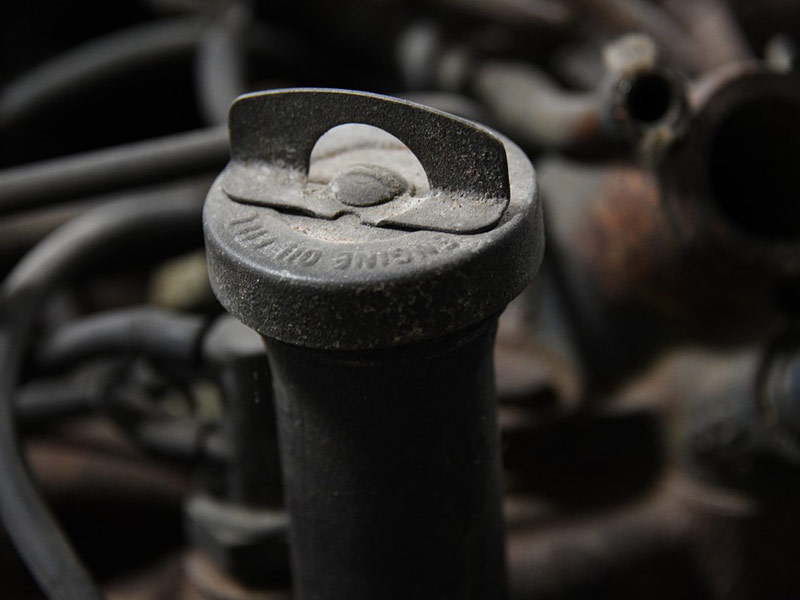
In order to optimise oil change intervals, it is important to take into consideration how much equipment will be used and in which type of environment as oil will behave differently depending on the conditions.
The heavier the load, the greater the number of operating hours/mileage the equipment has to work for, the type of terrain it has to work on, may all mean the engine has to work harder. This may vary, causing significant changes to oil performance and is likely to lead to shortened oil drainage.
Rough driving patterns can also over time, reduce engine efficiency.
The surrounding environment has a profound impact on the quality of oil – thermal distress can cause oxidization and extremely cold air causes oil to thicken.
Polluted environments also expose the engine to airborne pollutants such as dust – a common contaminant which can lead to a number of engine related problems and potential engine failure.
Other types of particle pollution may include:
Issues with cooling systems contribute to a high percentage of engine failure – overheating can lead to oxidation which can ultimately encourage sulphur product formation. The cooling system and coolant must always be kept in optimum condition.
Oil filters should be changed at regular intervals to help manage healthy oil flow and sufficient filtration. All other filters should also be of high quality – including air filters, hydraulic and transmission, fuel filters, as well as ensuring that all internal seals are working effectively.
Some vehicles or equipment have oil sensors which alert that the oil should be changed. If they don’t then a degraded oil stick will signify that the oil needs to be changed.
Optimised oil change intervals can lead to decreased oil and filter costs, lower overall maintenance, and an increase in availability and productivity.
Leaving the oil change too late can ultimately shorten engine life – decreasing engine productivity and increasing downtime and costs.
For more information on diesel engines, maintenance and parts, get in touch with AT Wilde. Based in Shropshire, we are a family run business that supply a diverse selection of parts and engines from the world’s leading manufacturers.